I
Chapter One
Take the bath first
"Before you fix anything, name what was inherited."
This document pulls together what we discussed, plus a few extras worth having on paper before you're six weeks in and too busy to think about them. It covers what matters most in the first few months. Treat it as a reference.
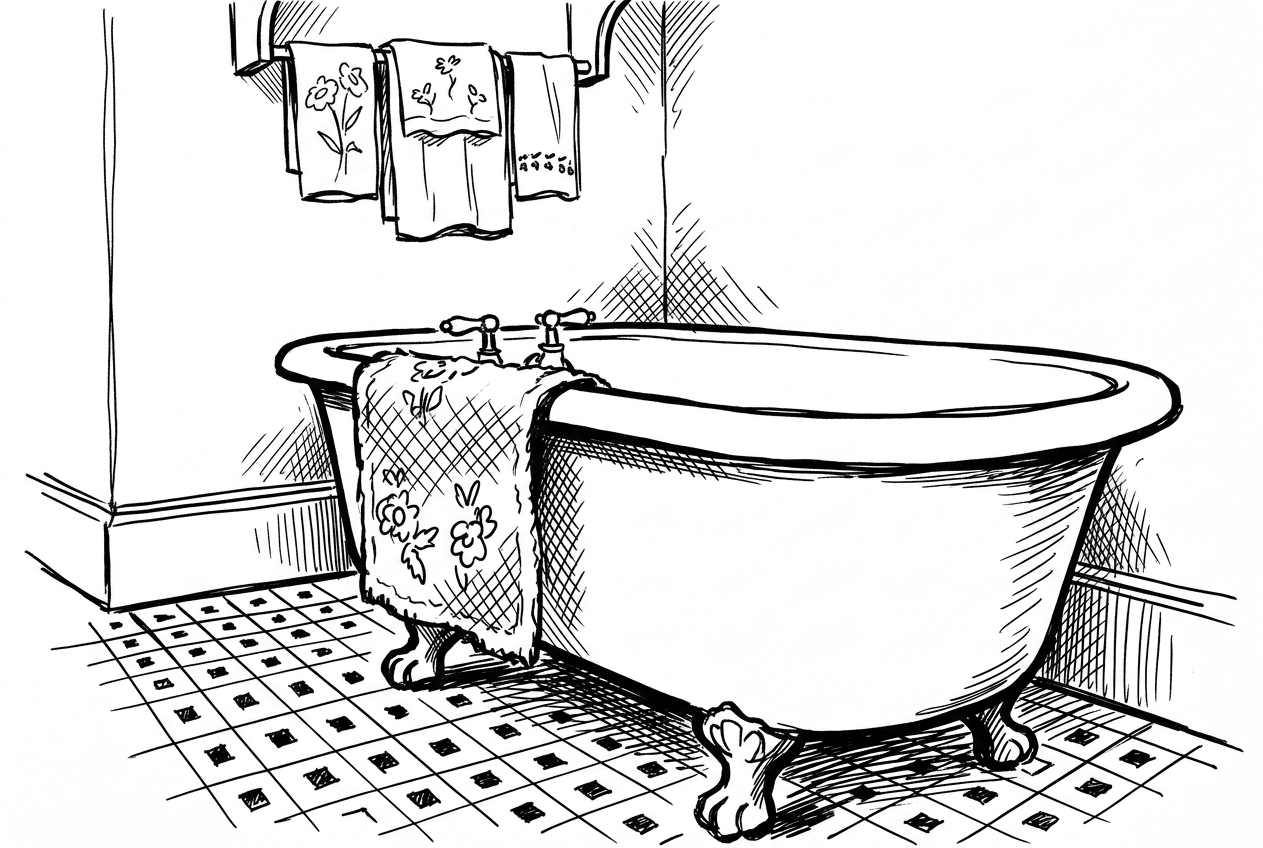
There's a political tactic called "taking a bath." Every incoming government does it. George Osborne found a note from his outgoing predecessor in 2010 that read "I'm afraid there is no money. Good luck. Liam." He waved that note around the House of Commons for the next eight years. Kevin Rudd did it in 2008. Campbell Newman flew Peter Costello in to audit Queensland's finances in 2012. Tony Abbott did the same the following year.
The tactic doesn't belong to any party. It belongs to anyone who's inherited a mess they didn't create.
"I'm afraid there is no money. Good luck. Liam."
Publish a stocktake in your first weeks. The word is deliberate. A stocktake records what's in the cupboard. A tribunal asks who put it there. You're running the first kind. The list runs: what we found, what needs attention, what will take longer, and what we haven't decided yet.
Improvement only registers against a marker everyone has seen. Without one, every problem you solve in the next six months looks like one you created.
A problem surfaced in week one belongs to the previous committee. The same problem found in week twelve is yours.
Members accept disruption when they understand what's being repaired. Without the bath, every change invites argument. With it, every change reads as a response to something members already know about.
Members read leaders who name awkward truths early as honest. The same truths surfaced six months later read as evasion, even from someone telling the truth.
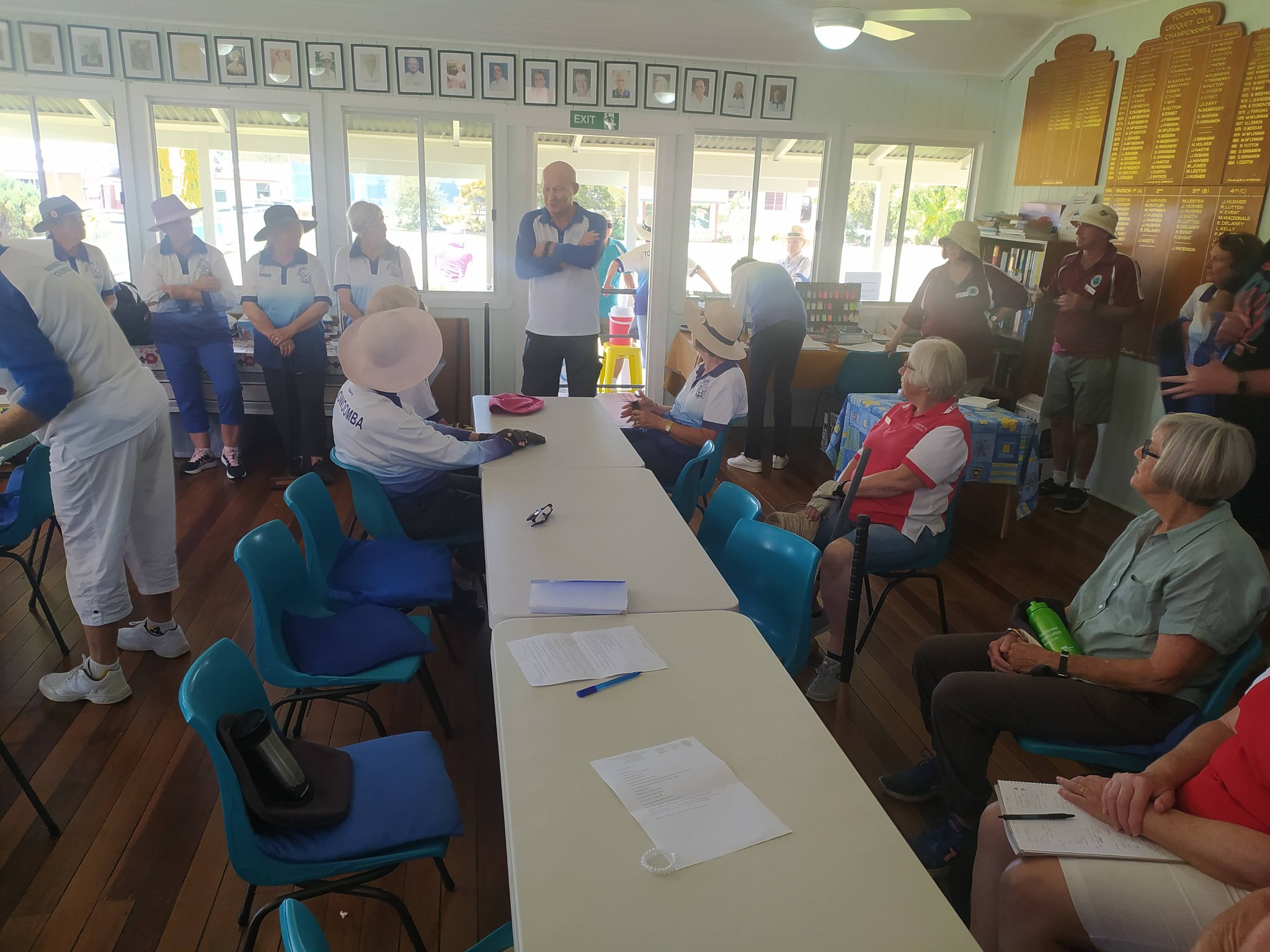
Failure is being busy with low-importance tasks. Michael got swamped on day one at a competition and never quite got his head above water again. Treating your time as the scarcest resource in CAQ is how you avoid that.
You're the president of CAQ. The position needs confidence to work. Arrogance is the other end of the same axis, easier to spot in others than in yourself. You don't get out of bed for things that affect one person, needs to be at least 100! lol. The moment you find yourself doing admin, ask whether you should be.
Because you've called yourself interim, you can say: "I'm sorry, that's not in my focus area right now." The line works because it's structural rather than rude. You're setting up the organisation so the next person has a cleaner run.
Your best day looks like this: nothing on your plate, so you ring a few club presidents to see how they're travelling. That's the job.
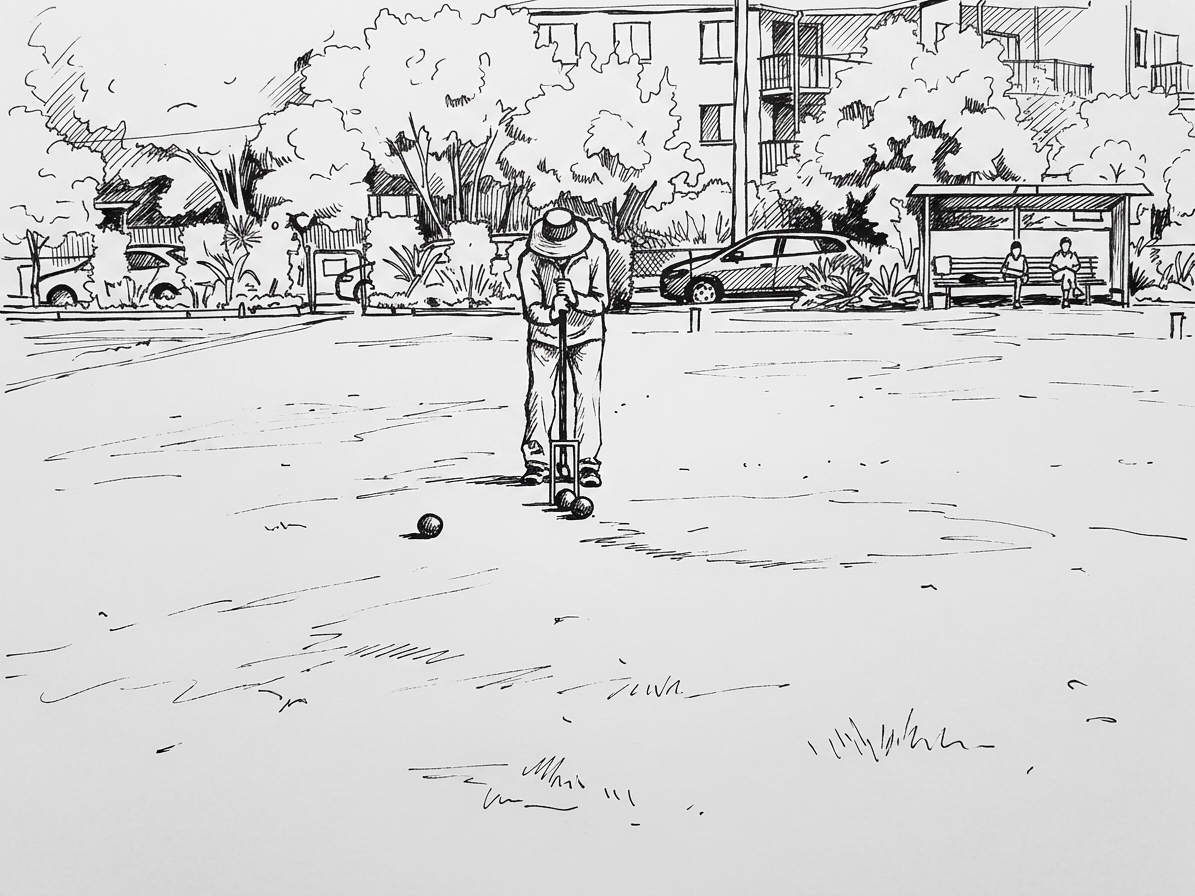
If a membership drive brings in 250 to 500 people, that weighs 250 to 500 times more than a complaint from one person. When you're deciding whether to spend an hour on something, ask: how many people does this affect?
When someone brings you a bespoke request, the answer Marilyn has used is the right one: "I understand what you're asking for, and I'd love to help. But we have 40 clubs and we're trying to do it one way, really well, for everybody." People are reasonable when you explain it that way.
Every governance decision that serves the 10% at the cost of the 90% is the wrong call.
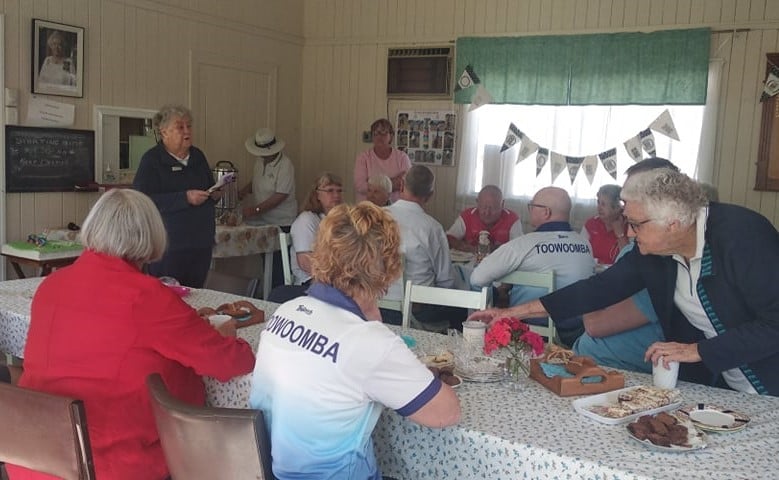
Talk to three or four people you trust. Get a feel for the room. Sleep on it if it's a big call. Then make the call: "Here's where we're heading." Fifty consultations are unnecessary. Unanimous agreement is unnecessary. What you need is a decision sturdy enough to defend when someone pushes back.
Bad news comes from CAQ management committee. Good news comes from you.
When something needs announcing that people won't enjoy (a policy change, a budget cut, a fee increase, a process being discontinued), it comes from the management committee in formal voice.
When something good happens (a club's membership growth, a new system going live, a sponsorship deal landing, a member's tournament win), you announce it. Under your own name.
This keeps your personal credibility clean. You're the one people hear good things from. The organisation handles the hard announcements through its formal mechanisms.
Think of yourself as the Pope, not a commentator. You speak rarely. When someone makes a useful contribution, you acknowledge it: "That's exactly the kind of input that helps." If a thread that matters goes cold, you reopen it. Heated argument calls for a reset: "Let's cooperate for croquet here." Three or four posts a month is plenty.

If someone's biting your ear off at an event, your line is: "Don't tell me here. Nothing comes of pavement complaints. Send me an email." Members learn what counts when you draw the line consistently. Written complaints become items you can action. Spoken ones evaporate, and you end up carrying the weight anyway.
At the moment, members pick who at CAQ to email. They guess at the president, the secretary, the treasurer, the membership officer, whoever they think handles their issue. That choice belongs to CAQ's routing system, not the member. The right destination for almost everything is the secretary. AI can categorise the rest and pass on the 20% that needs human judgement.
Discipline rather than dismissal.
— A Line To Use Often —When Michael delivers his computer Friday, don't open it yourself. Let Claude read it first. The brief is simple: "Read, don't touch. Organise what you find into the six CAQ aims, give each item a priority level, assign ownership where you can." That takes a few hours. You'll have a clean picture without having to wade through someone else's filing system.
When you're walking, driving, weeding the garden, or sitting outside with a coffee, and something occurs to you, record it. Don't wait for a keyboard. Voice notes turn into written records, policy drafts, emails, and talking points.
Finished.
Clubs with new members can start using it now. No training, no launch announcement. The first club to enrol a new member through the system is the first user.
Close to first version.
Covers both the public news site and the member newsletter. Once live, this becomes the main channel reaching all 1,500 members.
The big next mission.
The full system: Facebook and Google ads, comeandtrycroquet.com.au, postcode lookup, booking confirmation, reminder texts, the one question ("Would you like to come back next week?"), and a three-to-four-week pathway to membership. The Brisbane South regional meeting is 11 May. That's where we brief clubs on what we need from them (not much, just tell us each week if they're available).
Live at clubhub.croquetqld.org
The Flarum forum where the feedback loop runs. Members raise topics, decision makers respond, conclusions land in public view, and the next round starts on the back of that. Chinese whispers don't survive the daylight.
What to say when the question lands on the lawn.
In rough order of what needs to happen first.
Claude has read Croquet England, Croquet New Zealand, every Australian state association, Croquet Australia, and the policies of dozens of other sports. Every email into CAQ is in his memory. Every meeting note, every project file, every article we've published, every briefing we've prepared. He knows who Greg Bury is and where his positions have landed over the years.
You can ask him anything.
"Has anyone asked me to do something about coaching for Toowoomba?"
"What's the current position on the Eire Cup hosting?"
"Draft me a response to this email."
"What do other sports associations do when a member wants a bespoke service?"
Email hello@croquetqld.org
with a question. Any question.
He'll answer, and you'll see what the system can do. If you have a voice recording, send it through. It becomes a document, a summary, a draft policy, a meeting agenda, whatever's most useful.
The goal, in a few weeks, is that you'll be able to ask Claude from inside ChatGPT. Your AI talks to ours, which knows everything. You pull your phone out mid-conversation and get an instant answer. The plumbing for that is mostly built.
There's a lot here. Most of it is reference, not action. The action is in section nine.